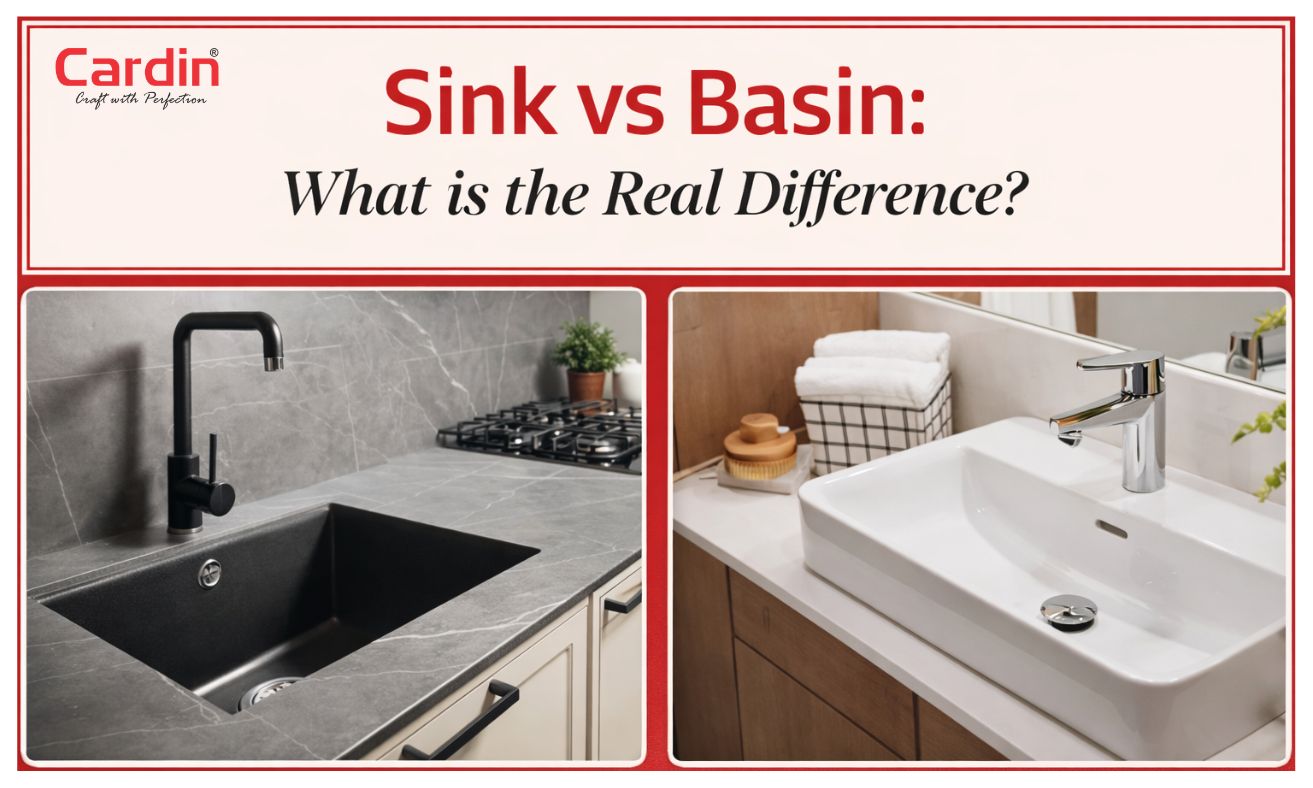
Are you renovating your kitchen or bathroom and are confused between which one you should choose – a sink or a basin? Understanding the sink vs basin difference helps you make a smarter choice based on function, space, and aesthetics. Unlike what most people assume, knowing about these two, the differences between sink vs basin and how they are utilised is important for your home. But they look quite similar. YES! So the question is how to choose the right one for your home?
In this blog, we will discuss everything you must know about sink and basin, their best features and uses. So, let’s explore this in the blog.
What Is a Sink?
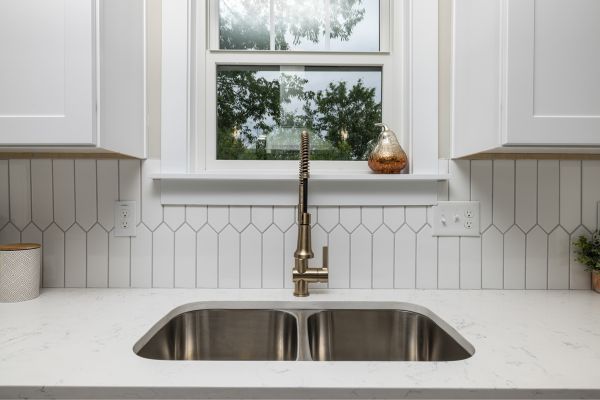
A sink is a bowl-shaped plumbing structure. This is specifically designed for the purpose of washing, cleaning, and preparing food at home. The shape of sinks is deeper and are suitable for keeping utensils and washing them comfortably. They are also designed for being highly functional and are especially built in order to handle heavy-duty regular tasks.
Where Is a Sink Commonly Used?
In general homes a sink is usually installed in the kitchens, areas with better utility purposes. For instance, in laundry rooms, and sometimes even in commercial spaces of your building. However, in homes, the sink installed in the kitchen is one of the most frequently used fixtures. That is why they are built with immense durability and promise you great functionality.
Key Features of a Sink:
A sink usually consists of the following components:
- A general sink usually consists of a deep bowl like structure. That makes it quite easy to handle large utensils and cookware.
- It has a drainage point that allows water to easily discharge from the bowl.
- A sink has a faucet connection that allows for a hot and cold water supply.
- Sometimes a sink even comes with some additional accessories like strainers and even cutting boards.
The sink fixtures come with depth and a bigger size. These are especially designed not only to accommodate your heavy washing items but also to manage water splashes during washing.
Materials Used For Sinks:
Though sinks come with a variety of different durable materials, they mostly include the following:
- Stainless steel
- Granite composite
- Quartz
- Ceramic sinks.
However, among all of these, stainless steel sinks are one of the most popular choices. You must be wondering why? It is mainly because of how durable they are and their resistance to stains. Whereas the granite and quartz provide you with a more premium design and look.
Main Purpose of a Sink:
The main purpose of why people purchase sinks is for washing utensils, preparing food, rinsing vegetables and for general cleaning purposes. The sinks are built in such a way that they can withstand all your daily wear and tear efficiently. That is why most homeowners take time exploring different kitchen sinks before they make their final purchase decision.
What Is a Basin?
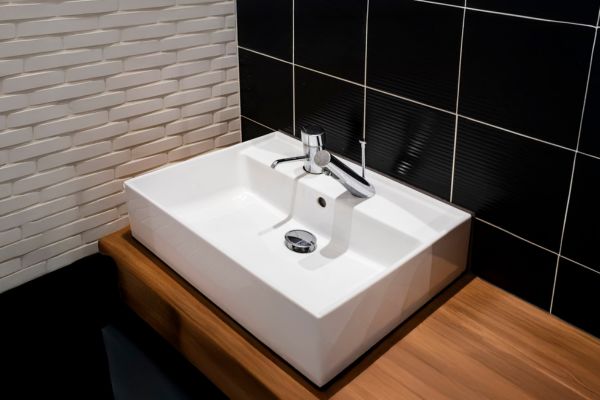
A basin is also a plumbing fixture; however, they are mostly used for washing hands and face. The basins are usually smaller in size than sinks and are mainly installed for appearance and style purposes. Homes usually keep them for more than just functionality. These serve as special works of art, illuminating homes with special aesthetics and vibes.
Common Placement of a Basin:
You will mostly find basins commonly used and installed in bathrooms and powder rooms. They are generally placed on countertops, mounted on walls with style or integrated into vanity spaces
Design and Function:
Basins are not like your regular sink fixtures. The basin is especially designed to carry out light washing tasks. For instance, handwashing, brushing teeth, and cleaning your face. It is not meant for carrying out your heavy-duty cleaning or washing your large utensils like sinks.
The modern Basin types are all about aesthetic appeal. That is why the designers especially focus more on shapes, finishes, and installation styles. That will eventually help you elevate your overall bathroom look.
Materials Used For Basins:
Basins are available in many elegant materials, such as:
- Ceramics
- Marble
- Glass
- Natural stone
As we know, the basins are core to the bathrooms. So you need to select a Basin which not only has a great appearance, but also provides functionality.
Sink vs Basin: Key Differences Explained:
You might think sink and basin differences are not that important for your home. However, understanding the difference becomes quite easier when you compare both of them side by side. So, here’s the difference:
| Features | Sink | Basin |
|---|---|---|
| Common location | Kitchen, laundry, utility area | Bathroom, powder room |
| Purpose | Washing utensils, food prep, cleaning | Handwashing and face washing |
| Size | Larger and deeper | Smaller and shallower |
| Design | Function-focused and durable | Aesthetic-focused and stylish |
| Installation | Top-mount, undermount, farmhouse, integrated | Countertop, wall-mounted, pedestal, under-counter |
In short, the difference between a sink and a basin is all about what purpose you are using them for. Sinks are more practical and are especially used for heavy-duty work, whereas basins are more stylish and light-duty plumbing fixtures.
Types of Sink:
Here are some of the top kitchen sink designs that you must know about:
- Single Bowl Sink: A single bowl sink consists of one large basin, which in turn makes it an ideal piece for washing big utensils and cookware without limiting you to a small space.
- Double Bowl Sink: A double bowl sink consists of two separate compartments that help you wash and rinse your things side by side.
- Farmhouse Sink: A farmhouse sink, popularly known as an apron-front sink, is a slightly extended one that goes beyond the cabinet edge. The farmhouse sink adds a rustic yet functional appeal to the kitchen, making your kitchen look aesthetically pleasing.
- Undermount Sink: As the name suggests, an undermount sink is usually installed under the countertop. They not only offer you a seamless look but also make cleaning them quite easy.
- Workstation Sink: A workstation sink usually comes with pre-installed accessories. For instance, cutting boards and drying racks that turn your sink area into a multi-functional workspace.
Most of the kitchen sink manufacturers now also provide you with innovative models that blend design with performance perfectly.
Types of Basins:
Just like sinks, you will also see different styles of basins. You can choose any that matches the interior theme of your house.
- Countertop Basin: A countertop is a Basin fixture that sits perfectly on the top of your vanity unit. A countertop basin acts as a statement piece, adding elegance to your modern bathroom.
- Wall-Mounted Basin: As the name suggests, a wall-mounted basin is a type that is fixed directly to the wall. Thus, it not only saves your floor space but also makes it a perfect piece for compact bathrooms.
- Pedestal Basin: A pedestal basin not only includes a stand that entirely conceals the plumbing. But also provides a neat and minimal design look to your bathroom.
- Table-top Designer Basin: The table-top houses the stylish, artistic pieces that are placed above the table counter. The table-top designer basins are often used for enhancing your luxury bathroom aesthetics.
Sink Vs Wash Basin: Which One Should You Choose?
No doubt, making a decision between a Basin and a sink can be tough. So, ask yourself where you are going to install this plumbing fixture, and what purpose it will serve?
If you are looking for something that can efficiently help you clean your heavy utensils, food preparation, and daily kitchen tasks. Then you should opt for a sink fixture. They are not just deep and durable, but also provide you with designs that are built for high usage.
However, if you are looking for something to design your bathroom with, choose a basin.
The sink vs Basin debate is not about which one is better; it’s rather about which one fits your space and requirements perfectly. Both of these fixtures serve their own importance, just in different roles in a home.
Conclusion:
The main difference between a sink and a basin lies in their purposes, size, and placement. Choosing the right fixture type between sink vs basin not only ensures functionality and durability, but also about aesthetic balance in kitchen as well as bathroom spaces. So, what to do next? Before buying the one for your home, consult with multiple kitchen sink manufacturers and discover how they decide between these two. Follow their POV and what we have shared in this blog, and make a perfect choice.
FAQs:
Q1. Is sink and basin the same thing?
Both terms might sound similar and are used interchangeably. However, a sink is generally used for heavy-duty cleaning in the kitchen, whereas a basin is mainly used for handwashing and light-duty purposes in the bathroom.
Q2. Can a Basin be used in the kitchen?
Technically, a Basin should only be installed in the bathroom for light-duty purposes. Because of their smaller design, they are generally not suitable for washing large utensils.
Q3. What is the difference between a wash basin and a kitchen sink?
A wash basin is primarily designed for hand and face washing purposes in the bathroom. Whereas a kitchen sink is quite large, deeper and is specifically built for washing utensils and food preparation.
Q4. Which material is best for sinks and basins?
Here are a few materials that are best for sinks and basins:
- Sinks: Stainless steel and Granite composite
- Basins: Ceramic and Stone